E-commerce Link Building Strategies for Online Stores
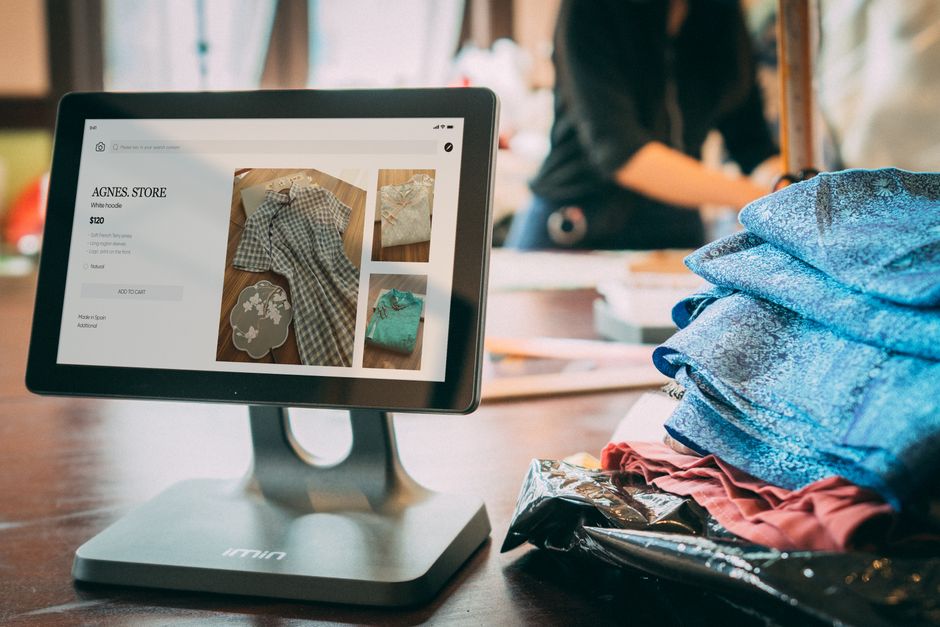
E-commerce link building works differently than standard SEO because the goal is getting your products featured in articles customers already trust, not just earning backlinks to your store. When someone searches "best running shoes" or "top espresso machines 2026," they land on buying guides, product roundups, and comparison pages, not individual store homepages. Those pages are where your products need to appear.
Why Traditional Link Building Falls Short for E-commerce
Most link building advice targets informational content and domain authority. E-commerce brands need visibility at the moment buyers are comparing options. A link from a blog post about "history of coffee" does not put your espresso machine in front of someone ready to buy. A feature in a "best espresso machines under $500" roundup does.
The difference matters because Google, Bing, and AI search tools pull product recommendations from established buying guides and review sites. If your product is not in those articles, you are invisible during the decision phase.
How to Identify the Right Link Opportunities
Start by searching the exact phrases your customers use when they are ready to buy. Terms like "best [product category]," "[product] reviews," "top [product] for [use case]," and "[product A] vs [product B]" reveal the pages that already rank.
Look for:
- Buying guides and product roundups on editorial sites
- Comparison articles that evaluate multiple brands
- Review pages from trusted publications
- YouTube videos and blog posts from creators in your niche
Check the first page of Google, Bing, and Yahoo for each target phrase. Deduplicate the results so you are not pitching the same publisher twice for the same article. Qualify each page by checking when it was last updated, whether it accepts new products, and if the site runs affiliate programs or sponsored placements.
Outreach That Gets Your Products Featured
Publishers update buying guides regularly. Your pitch needs to make adding your product easy. Send article-specific emails that reference the exact page, explain why your product fits, and offer what the publisher needs to evaluate it.
Most editorial sites want product samples, brand facts, high-resolution images, and affiliate commission details. Some accept disclosed sponsored placements. Be clear about what you are offering and separate any placement fees from your outreach service costs.
Find the right contact by checking the article byline, the site's contributor page, or the general editorial email. Personalize each pitch to the specific article and avoid generic templates that could apply to any roundup.
Competitor Placement Targeting
If a competitor's product appears in a buying guide, that publisher is already covering your category. Search for pages that mention competing brands, then pitch your product as an alternative or updated option.
This approach works because the publisher has demonstrated interest in the category, the article is live and ranking, and adding a new option often improves the piece for readers. Mention how your product differs or what gap it fills compared to the brands already listed.
Affiliate Programs and Creator Outreach
Affiliate commissions motivate publishers and creators to feature products they recommend. If you do not have an affiliate program, set one up through a network like ShareASale, CJ Affiliate, or Impact, or run it directly through your e-commerce platform.
Creators on YouTube, TikTok, Instagram, and blogs often prioritize products with strong affiliate terms. Reach out with commission rates, sample offers, and any exclusive discount codes they can share with their audience. Long-term relationships with creators generate ongoing coverage as they update reviews and publish new content.
SerpVine handles this process for e-commerce brands by running the SERP research, finding publisher and creator contacts, sending pitches, coordinating samples and affiliate onboarding, and tracking placements and referral traffic.
Measuring Results
Track which placements drive traffic and sales, not just how many links you earn. Use UTM parameters on URLs you provide to publishers so you can see referral traffic in Google Analytics. Monitor affiliate dashboard reports to see which partners generate conversions.
Check your target keywords monthly to see if new buying guides appear or existing ones get updated. Reach out again when a publisher refreshes an article, since updates often include new product additions.
Referral traffic and conversions matter more than domain authority or total backlink count. A single feature in a high-traffic buying guide can deliver more customers than dozens of links from low-relevance blogs.
Building Ongoing Publisher Relationships
Once a publisher features your product, stay in touch. Send updates when you launch new items, offer early access to seasonal products, and provide any data or expert quotes they need for future articles.
Publishers who know your brand and have featured you before are more likely to include your products in new roundups without a formal pitch. This ongoing relationship turns one placement into multiple features over time.
Frequently asked questions
How is e-commerce link building different from regular link building?
E-commerce link building focuses on getting products featured in buying guides, roundups, and comparison articles where customers are actively researching purchases, rather than earning backlinks to blog posts or informational pages.
What types of pages should e-commerce brands target for links?
Target buying guides, product roundups, comparison articles, review pages on editorial sites, and creator content on YouTube, TikTok, and blogs that rank for buyer keywords in your category.
Do I need an affiliate program to get featured in buying guides?
An affiliate program helps because many publishers and creators prioritize products that offer commissions. You can also offer product samples, brand information, or disclosed sponsored placements.
How do I find the right contact at a publisher?
Check the article byline, look for a contributor page on the site, or use the general editorial contact. Personalize your pitch to the specific article and explain why your product fits.
How do I measure success from e-commerce link building?
Track referral traffic and conversions from each placement using UTM parameters and affiliate dashboards. A single feature in a high-traffic buying guide often delivers more customers than many low-relevance backlinks.